State of the Nation
State of the Nation - September 2014, Cape Town, South Africa
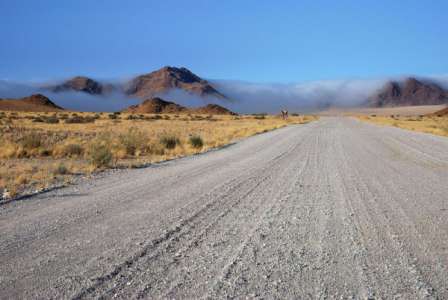 Many years ago while visiting southern Namibia I met an interesting character in the tiny town of Keetmanshoop. He was travelling through Africa on his motorbike, from London no less, had already made it to the southernmost tip of Africa near Cape Town and was now travelling back up to the UK along the western part of the continent. First stop Namibia where he ended up having dinner with me and my friends. He had many stories to tell. I don’t remember his name, but that night he told me something I never forgot. He told me that whenever he visited a country he read a book or two by a local author as soon as he was able to. That this always gave him a pretty good insight into the character or psyche of the people of the country he was visiting. In South Africa he had read Herman Charles Bosman.
Thinking about him some time later I found myself wondering what if it were possible to travel through the universe and visit planets, the way this young Englishman had travelled through Africa? What would an extraterrestrial explorer’s global take be on the human race, on life on planet earth, on the state of the nation today, so to speak?
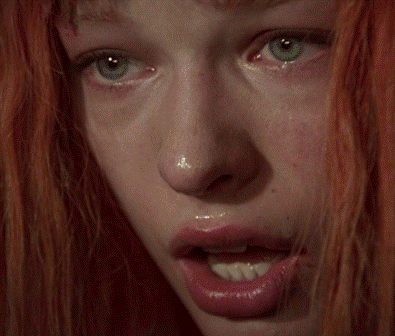 I remembered a scene from Luc Besson’s film The Fifth Element when beautiful Milla Jovovich in the role of Supreme Being, familiarised herself with the human race on planet Earth, scanning through a kind of computerised encyclopaedia from when it all began, to date. Witnessing all that our wonderful species got up to. Needless to say she was in tears.
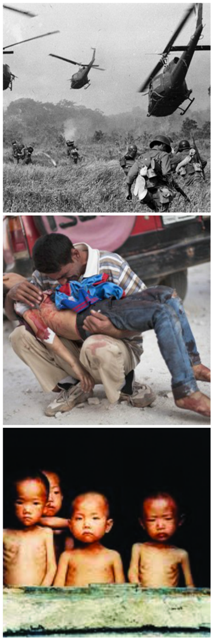
It is true to say that as a race, what we do spans such extremes – from the most profoundly beautiful and glorious, to the most despicable, cruel and atrocious. And everything in between.
Artificial Age
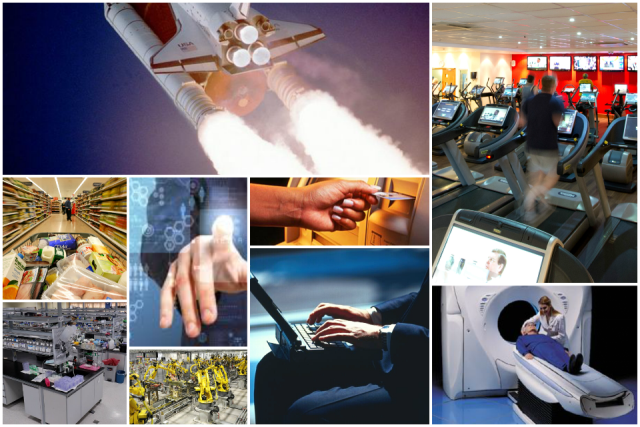
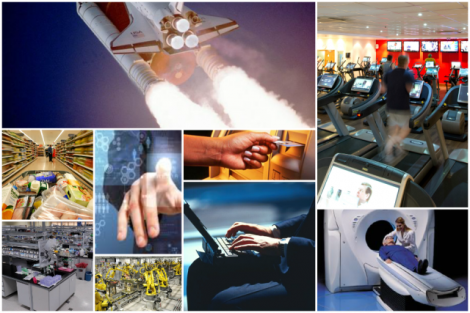 Where are we at today? Ours is an era of high-tech living and we have seen extraordinary development in all fields of let’s call it human interest, in the last century. Today you can press a button, tap a touch screen, or give a voice command, for almost every single thing you wish to do or know. And you certainly don’t have to cook or make a fire to be able to eat. Never mind milk a cow, collect eggs, pluck a chicken or plant and contend with seasons to harvest a crop. With the advent of modern technology we literally have the world at our fingertips. And we are caught up with making a living in a material and artificial world.
Our communion with and spiritual connection to nature and Mother Earth is all but lost.
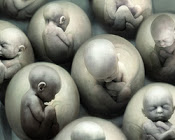
 We have become seasoned space travellers – of course leaving a trail of junk behind and perhaps most worrying of all, to me anyway, is that we now have the capability to clone live beings. What are we going to do with that capability?
 Experts can only postulate as to where this is all heading and there are a number of theories being bandied about, amongst them the, ‘the 2012 apocalypse’ which has come and gone, the singularity theory and so on. The truth is that we have no idea what the world will look like 20, 50 years from now. No idea.
Becoming conscious
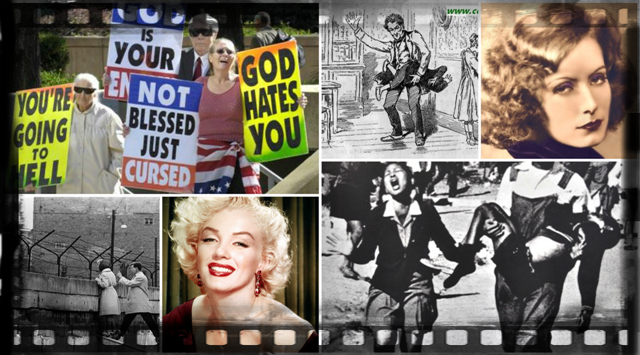
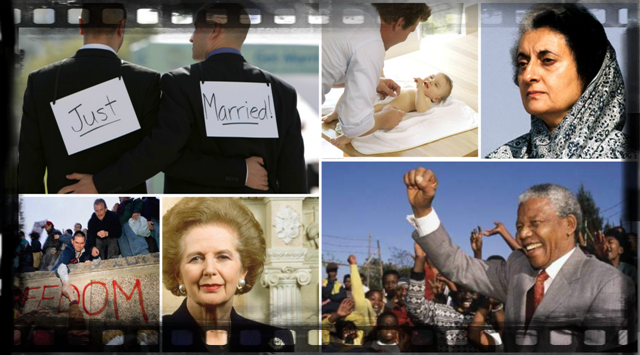
Amidst all this something is changing. Something is shifting consistently enough in a direction that we can start calling it a trend. A shift signalling the emergence of a new awareness, or growing consciousness, for mankind. Towards the end of the 20th century we saw the breaking down of the Berlin Wall, we saw the demise of Communist Russia without a single shot being fired; and we saw the end of Apartheid in South Africa. We saw significant changes in terms of human rights; race, gender and gay rights; animal protection rights. The role of women changed, the role of men changed. How we raise our children changed. And while for the most part not changed yet, we are at last questioning how we educate our children. Education which is supposed to prepare today’s kids for a future no-one can fathom.
Changing face of science
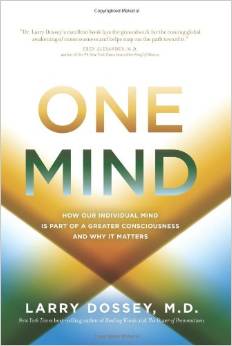
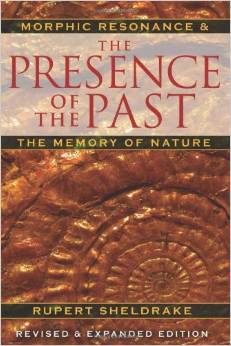
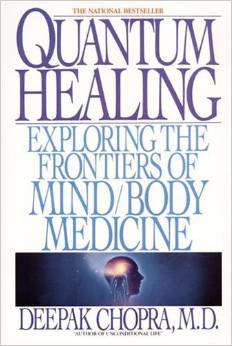
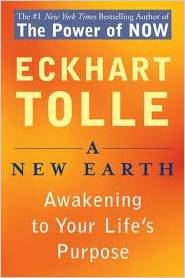
As I explored the works of modern day scientists and sages such as Rupert Sheldrake, Marta Williams, Drs Thomas, Adele & Deborah McCormick, Larry Dossey, Linda Kohanov, Deepak Chopra, Eckhart Tolle, Paulos Mar Gregorios, Gary Schwartz, Linda Russek, Omraam Mikhaël Aϊvanhov, and more, I am convinced that the human race is waking up. And that the face of science is changing. Or perhaps it is more accurate to say that how we look at the world is changing. That as we learn and understand we are able to use science to explain what we in the past summarily dismissed as fanciful esoteric or new age nonsense. With the likes of respected scientists, medical doctors, professors and biologists daring to publish works and publicly discuss previously unexplained phenomena around healing and health, life after death, the true nature of energy and vibration, our living universe, human-animal bonds and communication, animal spirit and role in our lives, and so on. And with the likes of contemporary prophets and sages confirming scientists’ conclusions, after years of study and research, that at its core the most profound knowing is really very simple.
Conscious Horsemanship
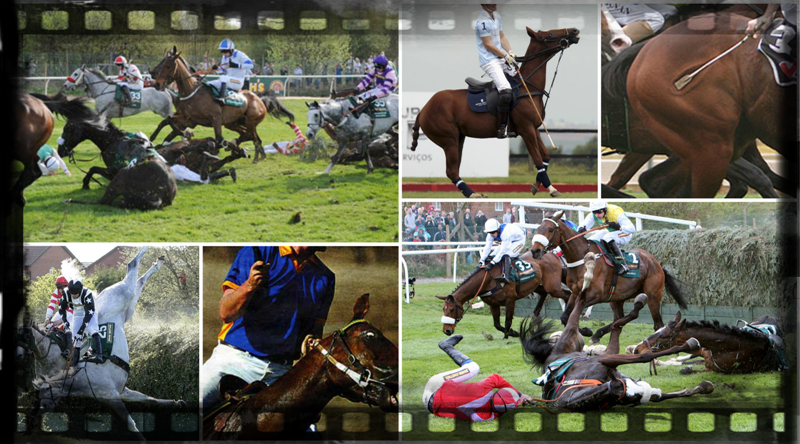
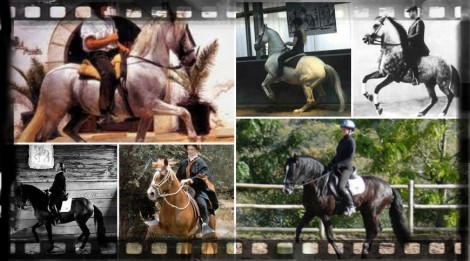
Having always been drawn to horses it was with interest that I observed the field of horsemanship staging its own quiet revolution, which gained great momentum in the 1990’s. I jumped in boots and all, to eagerly study and absorb material as it became available and explore the minds of pathfinders in this field as they emerged one after the other. Sixteen odd years down the line, having meticulously researched the field for as long, I understand it all better and can say that in many ways this new way with horses is not new at all. A number of ancient civilisations practiced horsemanship based on communication, relationship, understanding and awareness way beyond the modern use of equipment and gadgets to exercise force and control. Maybe a part of us is beginning to remember how soft, connected and collaborative the relationship with our horses once was.
 Living in Communion
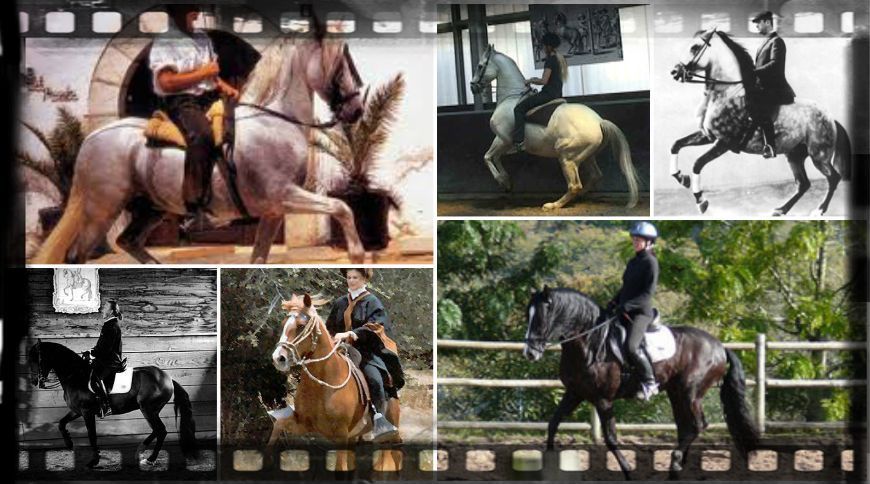
Early civilisations such as the African Bushmen, Australian Aborigines, Native Americans, Iberians, Berbers and Celts understood that we are all one, that we are all connected, and lived in communion with nature. Leaning towards a nomadic existence, these cultures did not embrace the concepts of conquering and invasion in the name of acquiring more land. Instead, their way of life embraced interconnectedness and a strong awareness of All That Is. They had an ethical consumer culture, gently harvesting what was needed – never depleting stock, always leaving enough behind for the next season, the next generation. They hunted in order to eat, not just because they felt like a piece of steak. And then did so with reverence for the process, with honour and gratitude to the animal which provided much needed sustenance. Prey animals – horses – are unquestionably nomadic creatures and have no desire to conquer, but would rather flee from danger, taking only what they need as they move along. Not surprisingly the Iberians, Berbers, Celts and Native Americans were exceptional horsemen and women. Their worlds were not diametrically opposed.
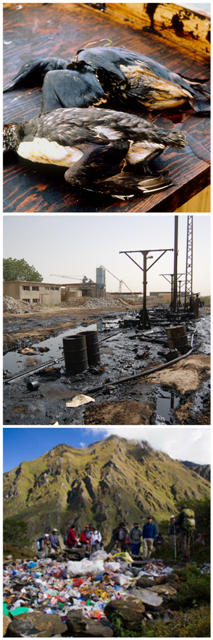
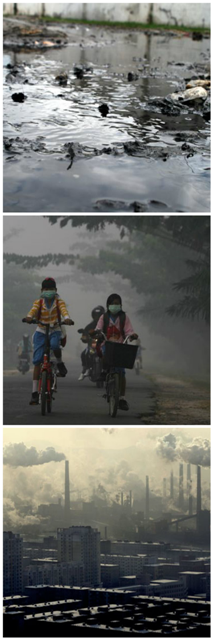
Living in a toxic environment
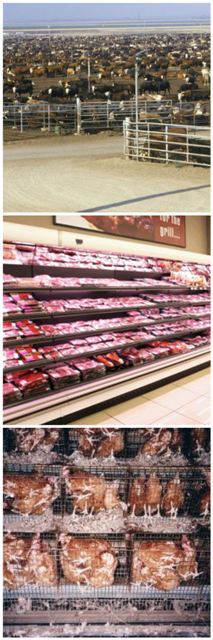
Fast forward to today and we find ourselves in a deeply entrenched territorial culture, a predatory and essentially Roman concept, which fosters separation, exclusivity and isolation from Other. We fight never ending wars in the name of territory. We have forgotten the fundamental truth that the land does not belong to us. We are completely and utterly and entirely removed from the principle of living off the land, of only taking what we need. Today we buy a piece of meat from a dead animal wrapped in cellophane off a shelf. What reverence, honour and gratitude do we show the animal that piece of meat once was? How did that animal live? How was it kept? What did it eat? How was it killed?
We consume, by the tonnes, meat and poultry from animals/birds that are bred en masse and kept in the most atrocious conditions and fed parts of themselves with added hormones and antibiotics just in case. We consume microwaved, gene manipulated, processed and fast food, chemically fertilised food, food sprayed with pesticides and washed in chlorine, food containing preservatives, emulsifiers, stabilisers, antioxidents, flavour enhancers and sweeteners. We are drinking polluted and treated water and breathing polluted air. We are constantly exposed to electromagnetic radiation as we carry our phones or mobile broadband devices with us, or live amongst receiving towers, electric power stations, electronic and industrial smog.